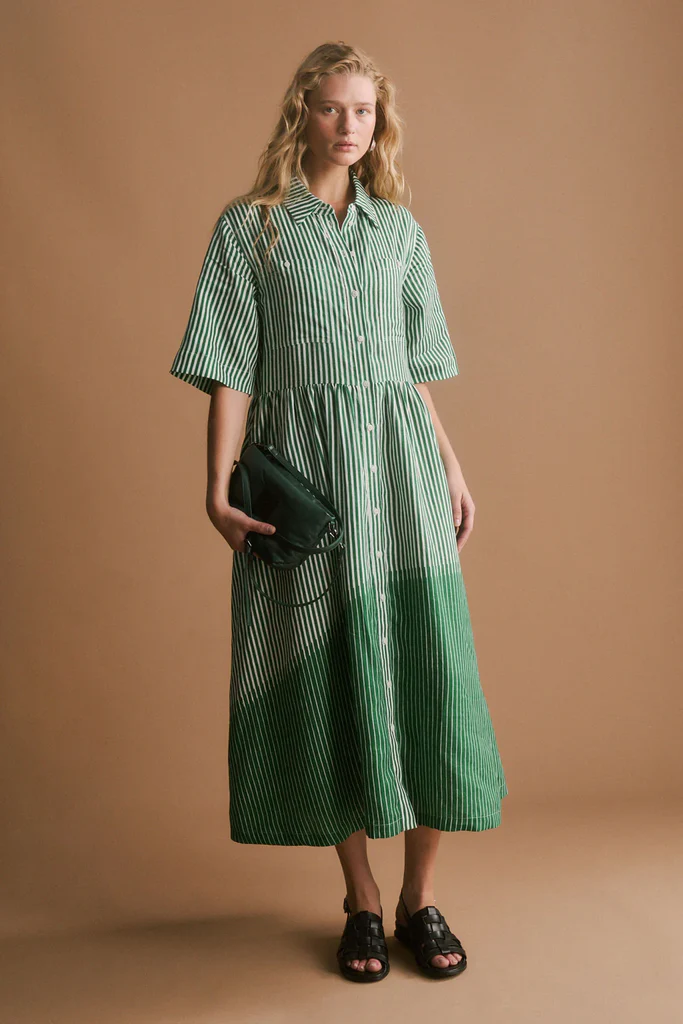
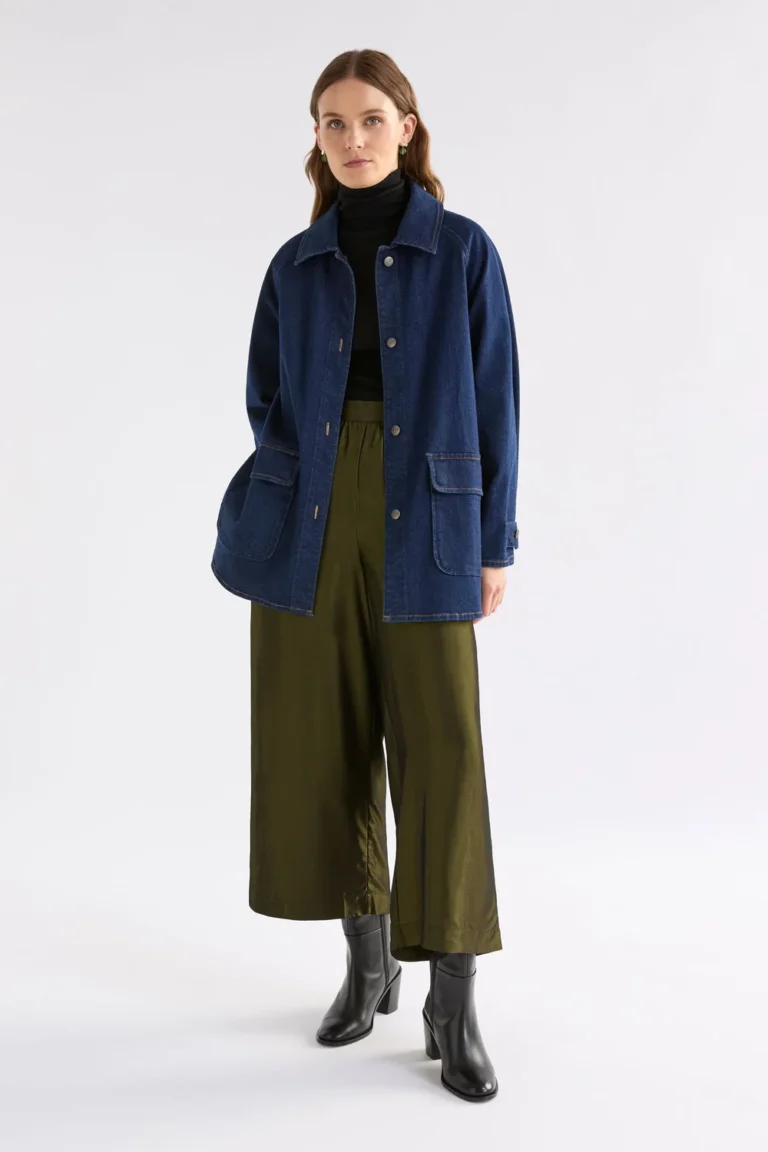

Refined fashion backed by strong transparency and sustainability practices
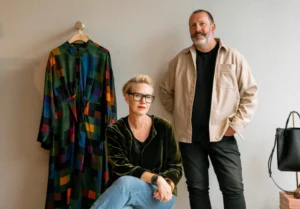
ELK is incredibly transparent about both its internal team and its global supply chain. Internally, it reports on employee retention, gender representation, leadership, benefits and workplace culture. ELK also supports social and environmental causes through donations, product giving, textile donations, matched giving and paid volunteer days. This includes working with social enterprises, such Clean Force, Moon Rabbit Café and Free to Feed.
Most of ELK’s manufacturing happens outside Australia. Its Tier 1 suppliers are in China, India, Turkey, Vietnam and Indonesia. ELK publically publishes detailed supplier information. This includes a breakdown of factory names, locations, audit dates, workforce numbers, female worker representation, responsible business initiatives and how long each supplier has worked with the brand. In FY25, ELK maintained 100% visibility of Tier 1 suppliers, mapped 98% of Tier 2, 45% of Tier 3 and 25% of Tier 4. They are working on mapping Tiers 3 and 4 further.
All Tier 1 suppliers have signed ELK’s Code of Conduct, and 86% had current social compliance audits in FY25. ELK uses third-party audits to monitor factory compliance with this code. Its key principles include freely chosen employment, safe and hygienic working conditions, no child or forced labour, living wages, reasonable working hours, non-discrimination, humane treatment of animals, environmental stewardship, responsible chemical management and no unauthorised subcontracting. ELK also looks for recognised social and environmental credentials.
ELK is still clear about the gaps, including incomplete audit coverage, recognised certifications and fully verified wage data across the supply chain. That level of transparency is one of the strongest parts of its ethics approach.
ELK has one of the most detailed sustainability approaches in Australian independent fashion. The brand is B Corp certified and publishes annual transparency reports covering its people, planet and product goals. It also donates 1% of sales to environmental non-profits through 1% for the Planet.
Materials are a major focus. ELK prioritises natural, renewable and lower-impact fibres where possible. This includes organic cotton, linen, hemp, and wool. ELK has also released collections using remnant leather, which is left over and/or discarded leather that might otherwise go unused. ELK also uses wood-based fibres (e.g. LENZING™ ECOVERO™, TENCEL™ LYOCELL) and favours options linked to lower-risk forest sourcing, reduced water and chemical impacts. When synthetic fibres are needed for durability, fit or performance, ELK aims to use recycled options rather than virgin synthetics. In 2025, 70% of ELK’s products by weight were made from its preferred fibres and materials.
Longevity is also part of ELK’s environmental approach. The brand focuses on quality pieces designed to stay in use, rather than short trend cycles. Its (RE)NEW program supports this through repair, resale, take-back and recycling. Customers can return pre-loved ELK clothing in store for credit. Wearable pieces are repaired and resold, while items that cannot be reused are sent through ELK’s partnership with BlockTexx. This is especially interesting because BlockTexx can recycle blended textiles, which are usually difficult to process.
ELK also considers sustainability beyond its products. They track track their direct and indirect carbon footprint and have submitted net zero targets for external validation. They are also looking at lower-impact store design, recycled and repurposed materials, energy-efficient lighting, waste systems and packaging. In FY25, ELK’s direct operations were powered by 100% renewable electricity, with part of this generated by onsite solar. Online orders are packed without single-use plastic, and most paper packaging contains recycled content. ELK is part of Pack4Good which focus on protecting forests by improving the sourcing of its packaging.
There are always areas for improvement, but ELK is very transparent about where it is making progress and where more work is needed.
ELK uses animal-derived materials, including leather, sheep wool and alpaca wool. The brand prefers Leather Working Group audited leather and remnant leather (leftover pieces from manufacturers). In FY25, ELK’s wool use was 37% alpaca, 18% Responsible Wool Standard wool and 44% other non-mulesed wool. It notes that sourcing fully certified responsible wool can be challenging, so this remains an area it is continuing to improve.
Reviews are open to logged in users to keep things spam free.
Excellent0%
Very good0%
Good0%
Fair0%
Poor0%
Get the latest in sustainable Australian fashion, brand interviews, exclusive perks, and a place to chat with others who care about shopping better.
Connecting conscious shoppers with sustainable Australian fashion brands.
Have feedback? Get in touch
We acknowledge the Traditional Owners of the lands on which we work and live, and pay our respects to Elders past, present and emerging.
© 2026 LocalBorn. All rights reserved. • Made with 🤍 in Australia